
I’ve always been an avid reader. I remember hording books in elementary school and racing to take my Accelerated Readers tests once I’d finished them. I still remember the name of the very first book I ever read on my own- Ice is Wee. However, once I entered the bustling world of working and going to school I unfortunately fell out of my habit. I read books here and there, but I often found myself never getting around to much of my book list.
I can’t quite describe what cause a shift this year, but I finally re-engaged with reading with consistency. It had something to do with J.R.R. Tolkien. I’d read a few books over a trip I took in February, but my reading had lulled after that. However, this June I picked up The Hobbit for the third time. I couldn’t put it down, it was done in a few days. After that, I jumped into The Lord of the Rings for the second time, and I clicked with reading once again.
I read four books between the months of January and the last week of June, but in the time between July to the present, I’ve covered 20. Instead of rating and reviewing them, I’m going to list each one and offer a takeaway or two. This was the first year in a long time where it clicked for me just how much you can learn from the words on a page.
Lords of the Sith by Paul S. Kemp
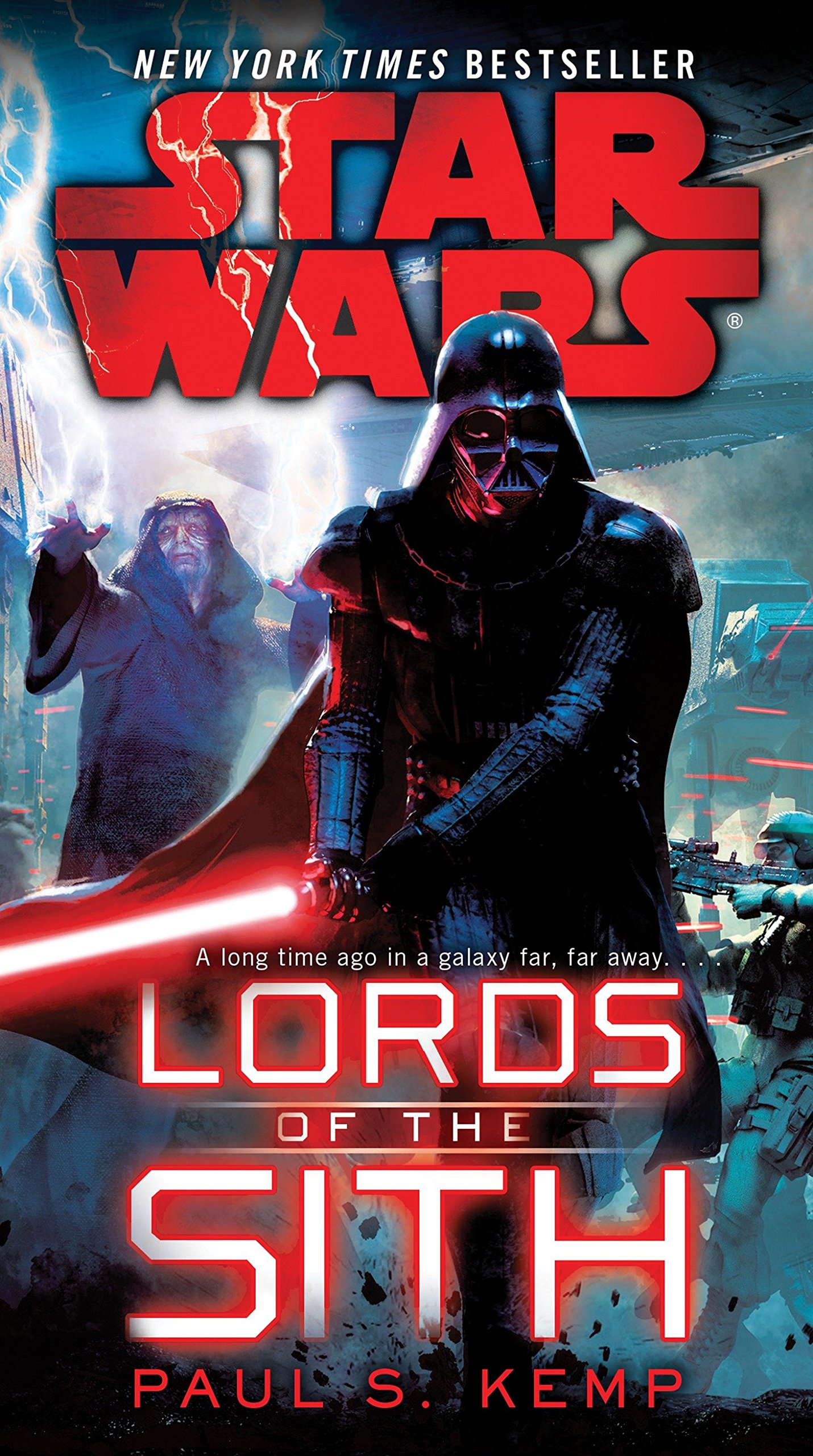
Despite being titled Lord of the Sith and featuring the Emperor and Darth Vader on the cover, this book has strikingly little to do with either Sith Lord. Instead it’s another story of rebellion with the Sith playing backdrop to new characters.
George Lucas: A Life by Brian Jay Jones
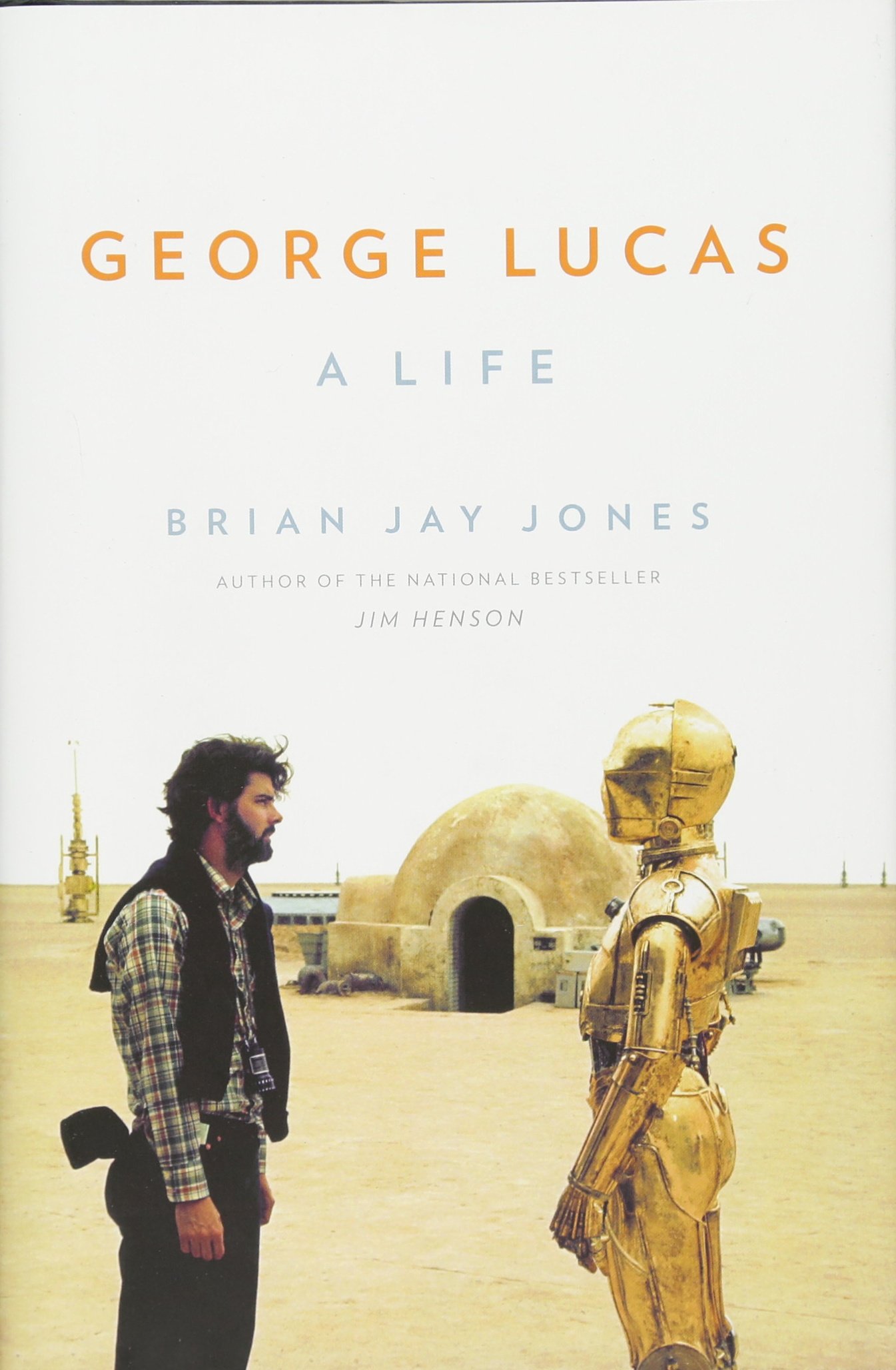
Just fantastic. This book paints George Lucas’ oddities and idiosyncrasies in a new light. This book not only dives deep into the production of all six of the Lucas-era Star Wars films, but his earlier works (THX 1138 and American Graffiti), and the man himself. Jones doesn’t pull his punches, but neither does he stifle his own admiration. There is also detailed exploration of some of the other hot directors of Lucas’ day, primarily Francis Ford Coppola and Steven Spielberg. One of my favorites of the year by far.
The Good Neighbor: The Life and Work of Fred Rogers by Maxwell King
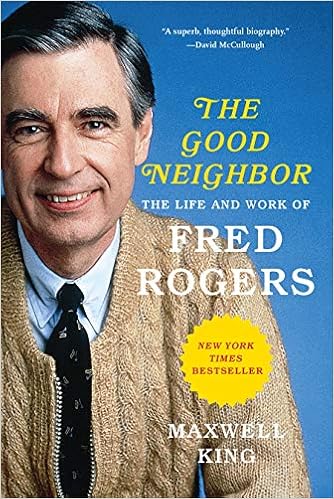
Fred Rogers fascinates me. I’ve watched, read, and listened to anything about him that I could get my hands on. This man truly is of a kind that a generation rarely, if ever, sees. The Good Neighbor doesn’t attempt to delve into his psyche as much as Won’t You Be My Neighbor?, the 2019 documentary, but it thoroughly explores his life, relationships, and the legacy of his work.
Mere Christianity by C.S. Lewis

Lewis is a brilliant mind. I see myself returning to this and his other works in the foreseeable future. He gives plenty of answers, but I am intrigued by the questions he presents to his readers. What is Christianity? Why should we do it? Are we doing it right?
The Hobbit by J. R. R. Tolkien
The tamest of the four principle books in the war of the ring in terms of lore, but the most effortlessly exciting. This book reminds me a lot of C.S. Lewis’ style and prose in The Chronicles of Narnia. This book is exciting, and even if it doesn’t tap into the depth of the sequels, it’s still a terrific read.
The Lord of the Rings by J.R.R. Tolkien
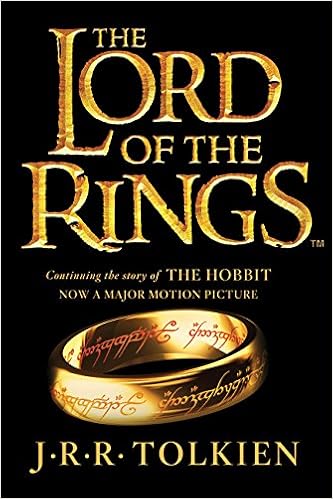
Technically this counts as three books, at least on Goodreads, but J.R.R. always counted these as one book in three installments (six parts), and so will I. I’ve read this once before, but not until now have I fully appreciated it. It does not take a sharp mind to enjoy, but it does take one to fully understand and appreciate. Sophomore year of High School Collin didn’t have the toolset capable of loving The Lord of the Rings then, but he sure does now. This tale is impeccable.
The Silmarillion by J.R. R. Tolkien
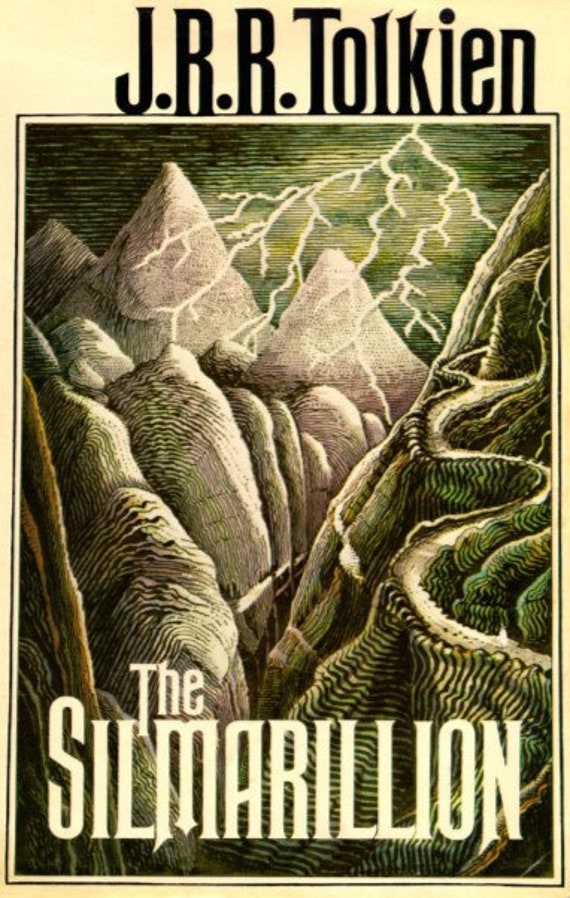
This book is almost entirely exposition. It should not be an enjoyable read, but it is because Tolkien was a writer and loremaster far beyond any other. This frames the world and helped me to retroactively appreciate The Lord of the Rings even further.
The Crusades: A Short History by Jonathan Riley-Smith
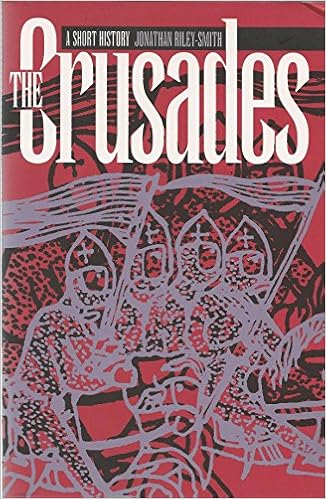
It broaches the crusades with enough detail to give an accurate picture, but not enough to fully understand what’s going on at all times and who’s doing what. It was an illuminating read, however, and the parallels between the war-mongering church and civic leaders at the time has strong parallels to the often wayward crusades of the modern church. One note that I found fascinating was that those backing the Crusades did little to dissuade the bloodlust of the Crusaders as they began their march. There was a massive pogrom against European Jews at the time because the Crusaders were blindly aimed at “the enemies of Christ”.
Roman Empire by Nigel Rodgers
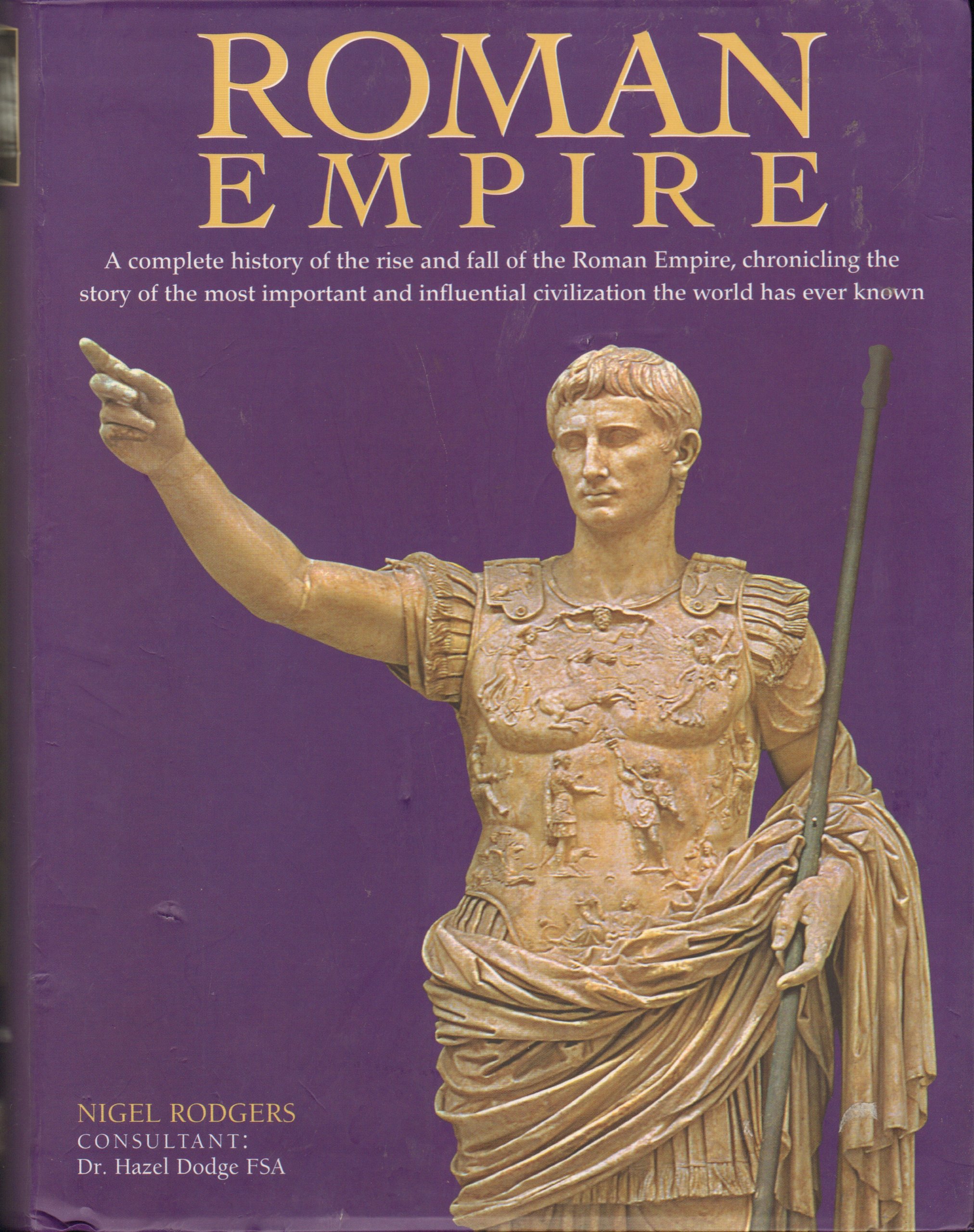
An overview of Rome, particularly its Emperors and its social conditions. This was a very good entry point into a period I’m fascinated by but have never studied in-depth. It made me hungry for more. Again, there can be stark parallels drawn between the shortcomings of the Roman Empire and those of the American Empire. One such contrast is the way in which Caesar maintained his power and influence. He spent time with the poor and socially convinced them that he was one of them despite growing richer and more powerful by the day. Sound like any other orange men we know?
Disney’s World by Leonard Mosley
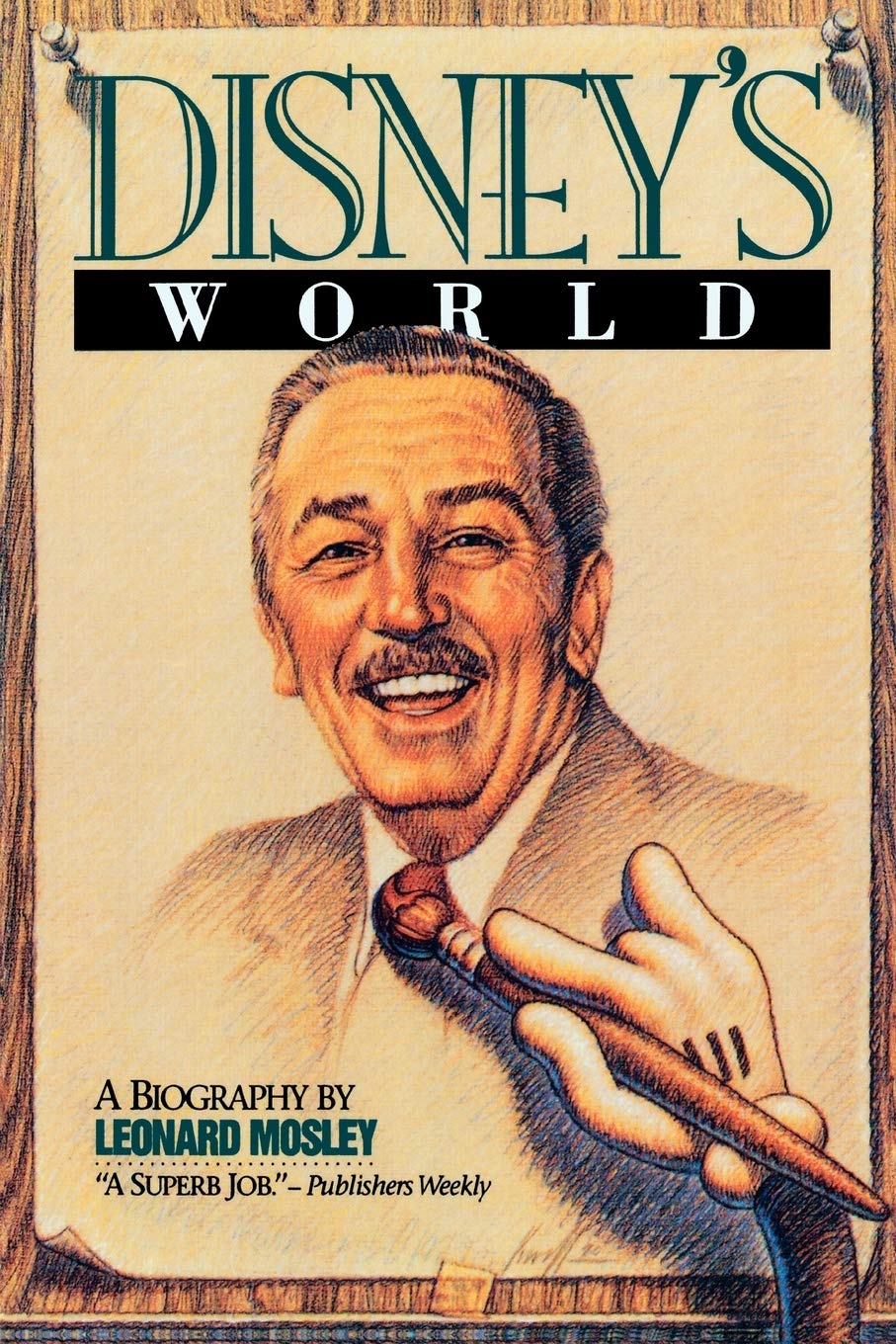
Written in the 80s, this biography was a bit of a dated read. However, I think that made it better. It’s proximity to Walt’s death and its ignorance of how far his vision has grown kept the focus firmly on the man and his dreams. Walt was a very imperfect, and often antagonistic character, but the entertainment world and that at large would be vastly different had this chain-smoking Kansan never walked the earth.
The Oxford History of the French Revolution by William Doyle

A very detailed exploration of the social, economic, and political climate leading up to and during the Revolution. The French Revolution is often taught as the American Revolution 2.0, but this book makes it abundantly clear that it is far from it. A lot can be learned from the dividing classes and the often inept or unfaithful leadership that caused the country to collapse.
Power, Faith, Fantasy: America in the Middle East- 1776 to the Present by Michael B. Oren
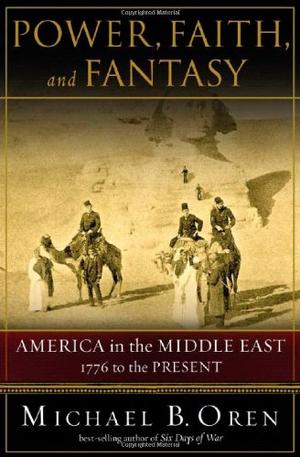
In school American policy on the Middle East began with a slight blip against the Barberry Pirates and then disappeared until 9/11. This couldn’t be further from the truth. This book depicts the rich interests and investments that each generation has had in the Middle East. Though somewhat altruistic at times, America took upon itself the mistakes of France and Britain before it, shaping the lands for better or worse. Does the good outweigh the bad? Need we take responsibility for the present landscape?
Is This Anything? by Jerry Seinfeld
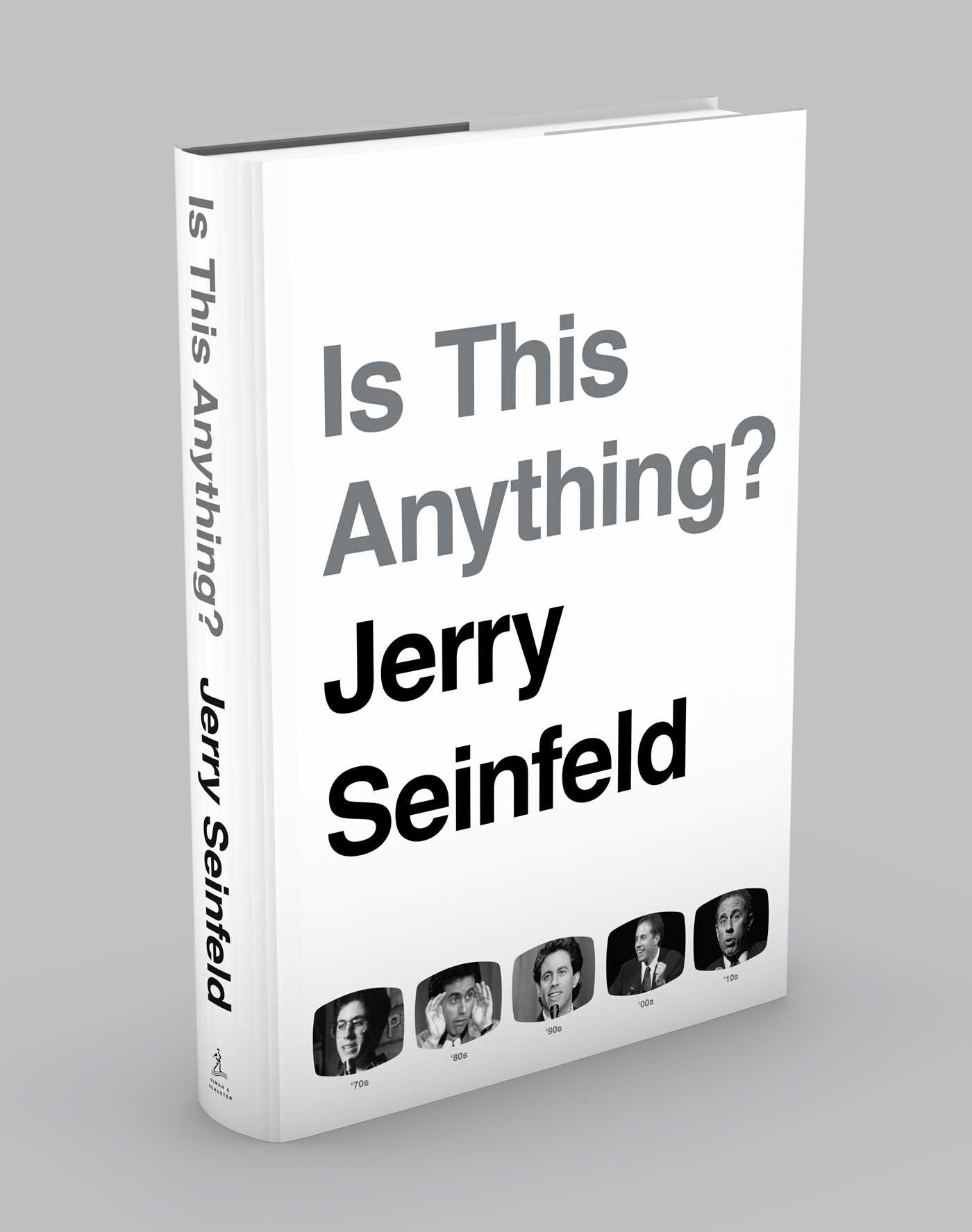
A hearty laugh provided by the musings and notes of one of my favorite comedians.
The Illusion of Life: Disney Animation by Frank Thomas and Ollie Johnston
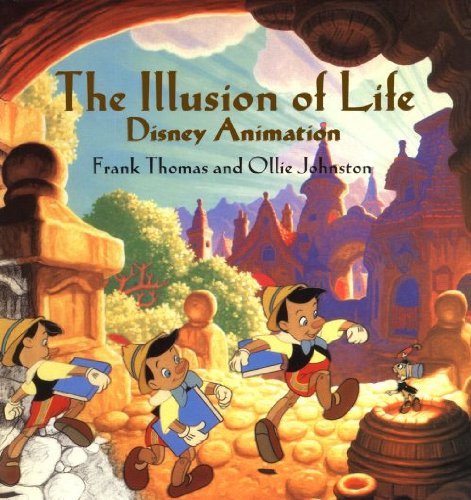
I read some dry books this year, but this was by far the most dense. However, it was also the most vivid and imaginative. As someone who has neither ability or interest in drawing, this book fascinated me. Two of Disney’s Nine Old Men have created not just a guide to the animation process they pioneered, but movie-making and the creative arts in general.
The Flavor Bible by Karen Page

A quick read, because the greatness of this book lies in the experience. It’s a recipe book without a single recipe. Instead it places an emphasis on recognizing flavor and cooking compatibly. It offers an extensive list of flavor pairings and details.
Jaws in Space by Charles Harris
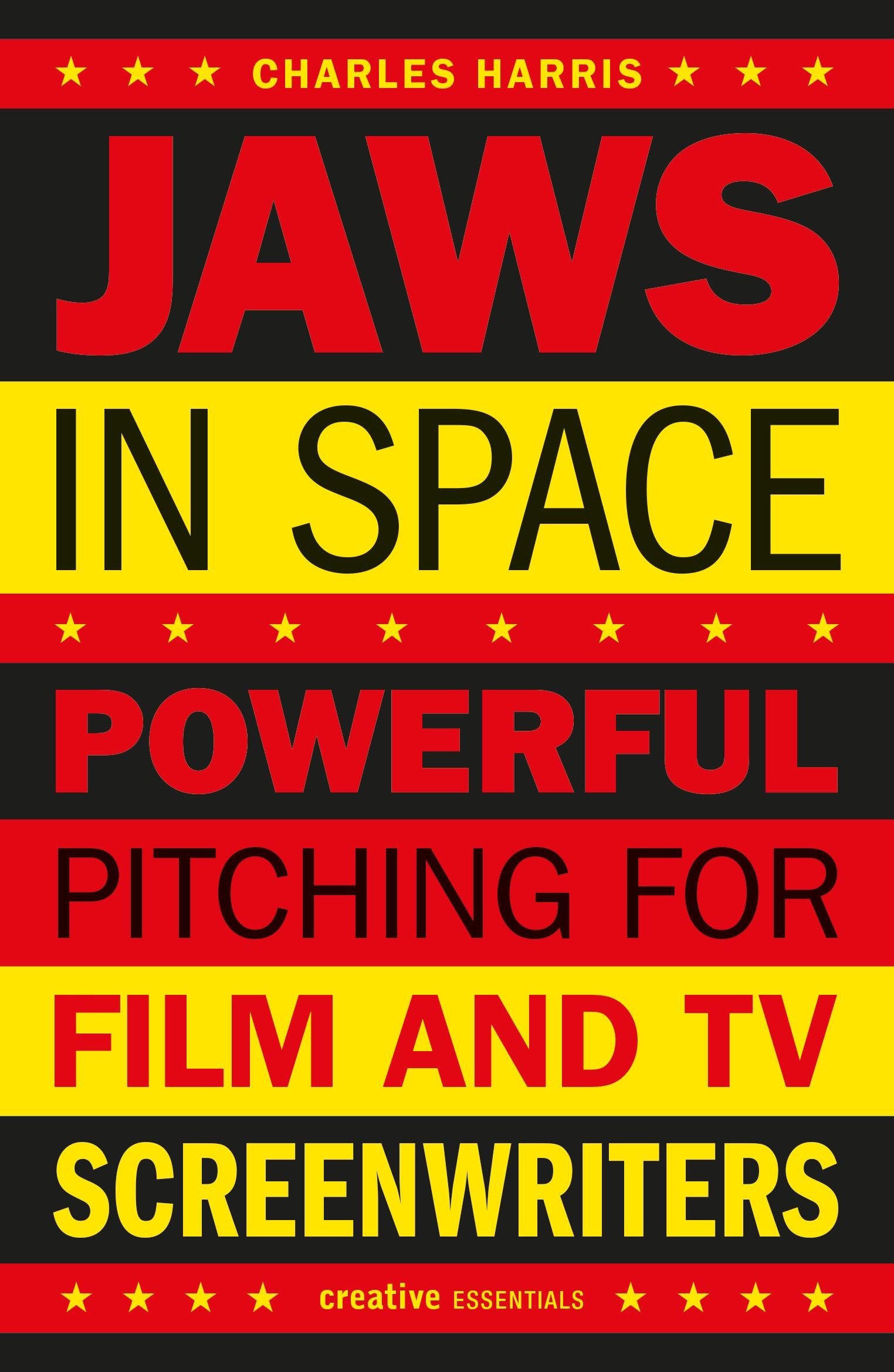
The maxim, “those who can’t, teach” doesn’t normally come to mind but it does with this. There is the occasional nugget of wisdom, but this short read feels quite drove.
Snoopy’s Guide to the Writing Life by Barnaby Conrad

Blending the humor and joy of Peanuts with practical wisdom from a wide variety of writers and authors.
Republican Jesus by Tony Keddie

Perhaps my favorite purchase this year. I don’t agree with everything the author presents, but he levels unfortunately real accusations at the American Church and its complicity in aligning its message with a political viewpoint. This book challenges how we interpret the Bible, specifically how often times we’re interpreting not the bible but another interpretation of it. This book got me thinking and hopefully it’ll do the same for you.
Creativity: A Short and Cheerful Guide by John Cleese
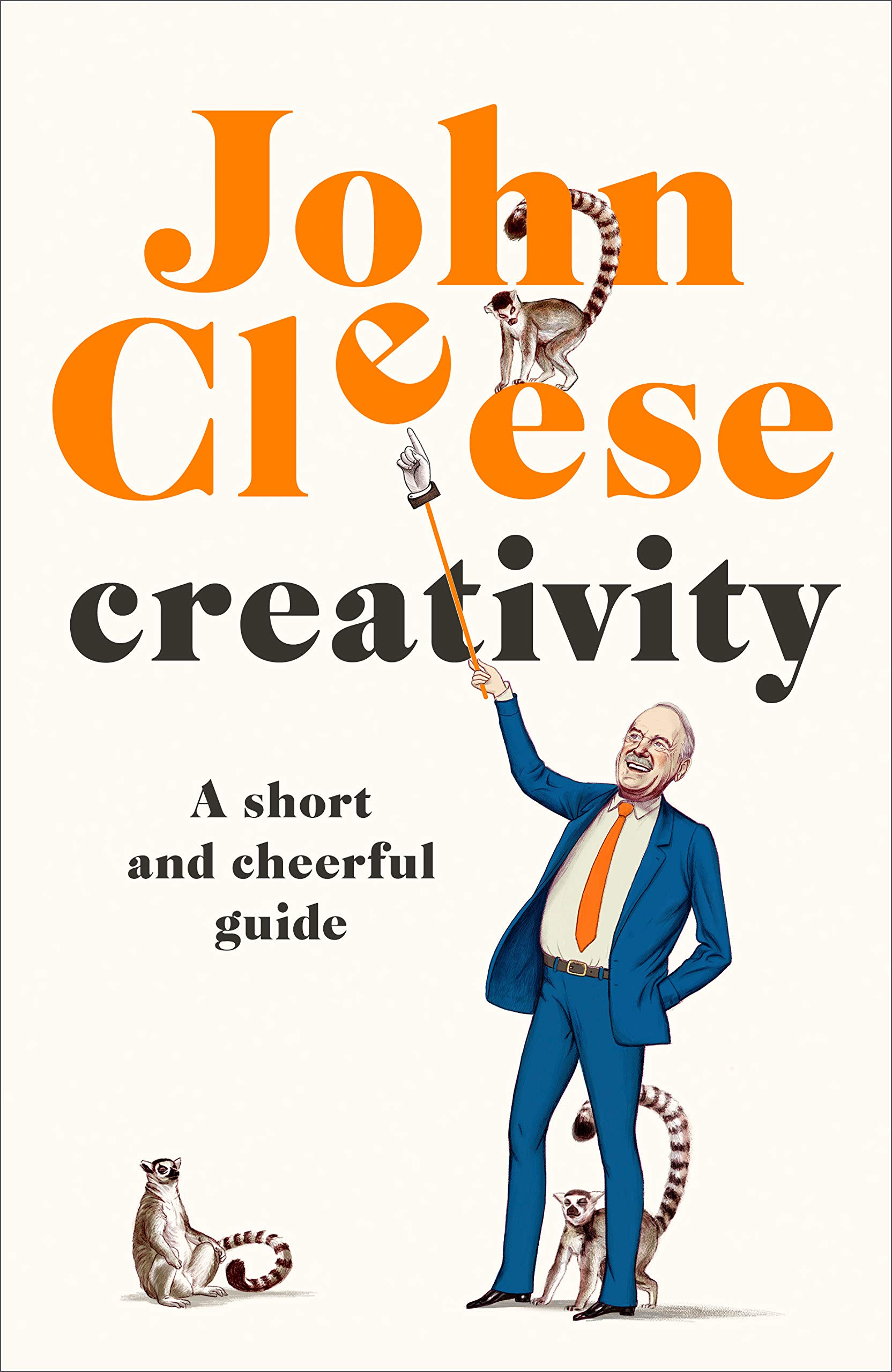
I love me some John Cleese. Not only is he hilarious and my favorite Python, be he wrote an excellent book. This short (and I mean really short) book is packed with nuggets of wisdom and experience from Cleese’s life of writing and creating. It’s a great clear your head and refine your process guide.
Harry Potter and the Sorcerer’s Stone by J.K. Rowling
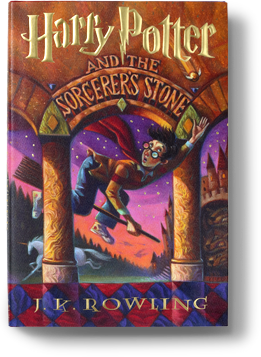
Nothing short of Magical. Rowling create a world that you find yourself always wanting more of and she populates it with exciting characters that you’re never given enough of. This book shows her naivety as a writer at the time, but it doesn’t suffer in the slightest.
Harry Potter and the Chamber of Secrets by J.K. Rowling
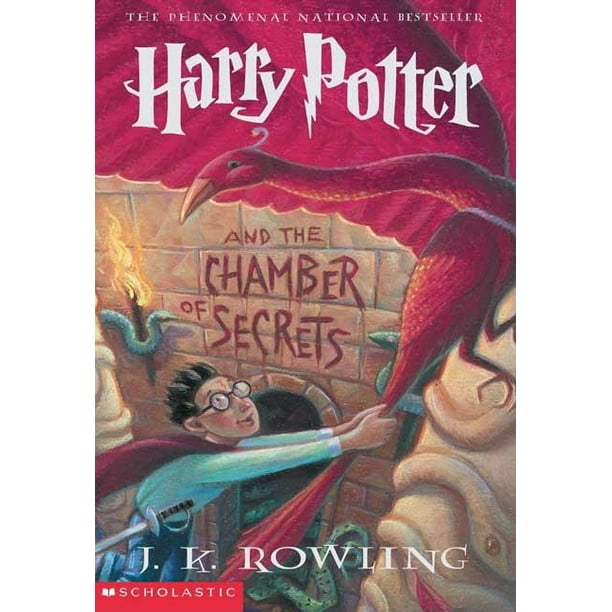
Wizened after her first go, J.K. Rowling deeply expands the lore while constructing a horrific mystery around the school we know and love. Chamber of Secrets goes deeper into the story and character of Harry Potter in a very meaningful way.
Harry Potter and the Prisoner of Azkaban by J.K. Rowling
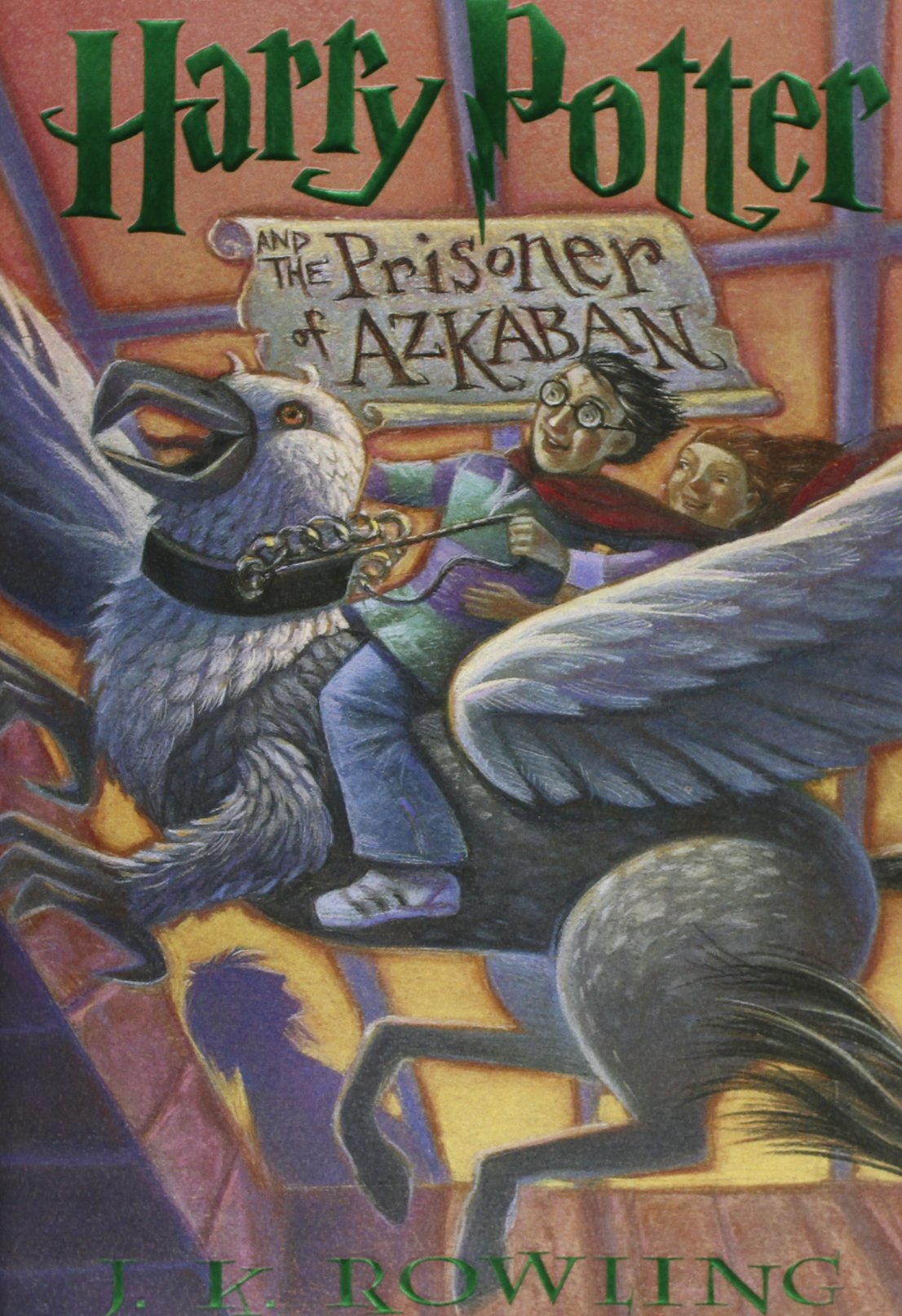
This feels like the first installment where J.K. has a solid view of her larger plan. The guns are presented upon the mantle piece in this first act of the rest of the saga.
Harry Potter and the Goblet of Fire by J.K. Rowling

The first book where Rowling cements herself as a truly great writer. She was good before, but in Goblet of Fire she proves herself to be great. She goes much deeper with both lore and character, taking the franchise to a deeper and more satisfactory literary level.
2021
I’ve already got a sleight for 2021 lined up, starting with the rest of the Harry Potter books. I can’t wait to see what others I get into over the next 12 months.

 Collin Willis